Connected Abbott laboratory and clinical monitoring environment

Diagnostics · Connected Monitoring · Infection Control

Abbott Medical Devices, Evaluated as Connected Clinical Workflows

Bring analytical performance, interface readiness, service planning, and market-specific documentation into one evidence review before a laboratory or care program commits.

600–2,000tests/hour evaluation band
0–100%SpO2 review range
HL7 + FHIRinterface checkpoints
ISO 14971risk-file lens

Evidence before enthusiasm

Three Workflows, Three Different Validation Questions

Each portfolio is reviewed against its own specimen, patient, interface, and operating constraints instead of a shared marketing checklist.

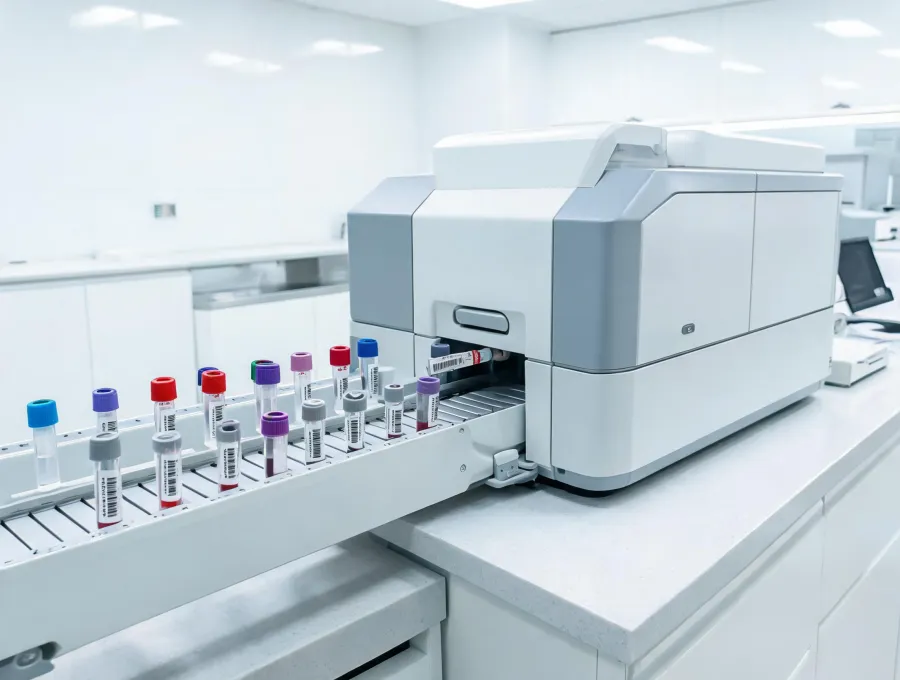
Clinical chemistry analyzer with sample track
01 / Core laboratory

Throughput is incomplete without precision and traceability

A laboratory brief should pair analyzer throughput in tests/hour with coefficient of variation (CV), limit of detection (LOD), calibration interval, reagent open-vial stability, and specimen handling. A 600–2,000 tests/hour target is useful only when the proposed configuration is checked against peak-hour mix, rerun rate, and LIS result routing.

  • CLSI EP05 precision planning and Levey–Jennings review
  • HL7 FHIR messaging plus HL7 v2.5.1 ORU/ORM downtime routing
  • Lot, calibration, and quality-control audit trails

Remote patient monitoring operations desk
02 / Connected care

Measurement range and alarm behavior belong in the same test

Monitoring evaluation starts with stated ranges, such as SpO2 0–100% with accuracy assessed inside the labeled interval, then extends to alarm priority, battery runtime, network loss, and clinician acknowledgement. FHIR Observation delivery does not replace verification of waveform fidelity, identity matching, or escalation timing.

  • IEC 60601-1-8 alarm-priority scenarios
  • Battery depletion and reconnect testing
  • HIPAA and GDPR data-flow review by market
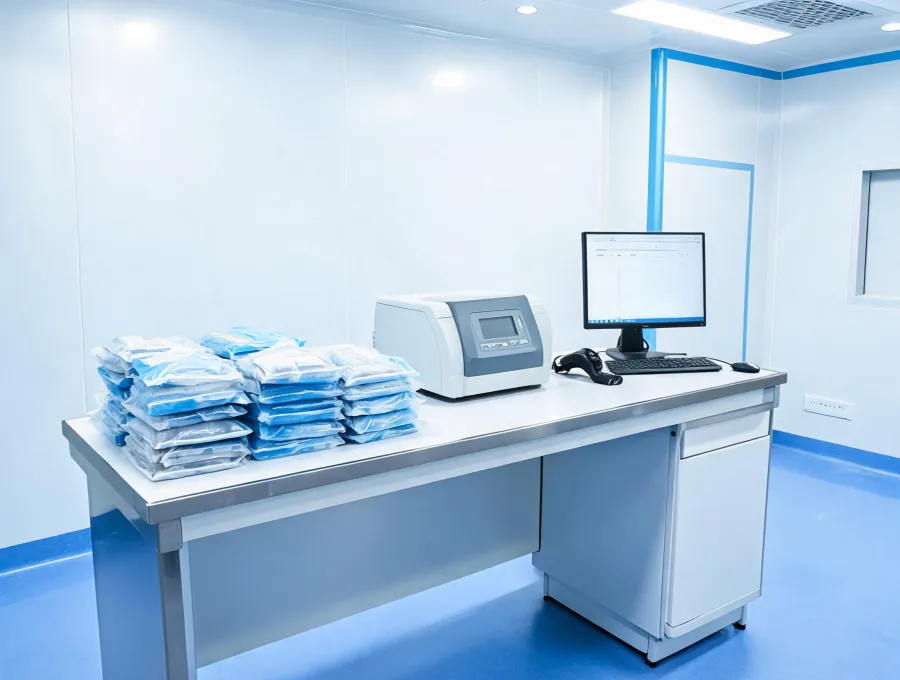
Sterile processing verification bench
03 / Infection control

Sterility claims stop at the validated process boundary

Procurement teams should distinguish terminally sterile single-use products from reusable devices requiring reprocessing validation. The review records sterilization modality, packaging integrity, shelf-life evidence, sterility assurance level (SAL) where applicable, and the facility burden created by reprocessing or waste streams.

  • SAL 10−6 is a process target, not a universal product claim
  • ISO 11135 applies to validated ethylene oxide sterilization processes
  • Unique device identification (UDI), IFU, and lot documentation govern actual handling

Procurement workbench

Translate a Product Name into Testable Acceptance Criteria

The figures below are planning ranges from the industry brief, not specifications for every Abbott reference. Confirm the current model, IFU, and regional labeling.

Analyzer throughputPlan against 600–2,000 tests/hour, then validate peak assay mix
Analytical verificationLimit of detection, coefficient of variation, reportable range, method comparison
Information flowLIS bidirectional orders/results, operator identity, downtime recovery
BoundaryActual performance depends on assay, specimen type, calibration, and site workflow
SpO2 review0–100% display range; verify labeled accuracy and test interval per reference
Power8-hour continuous-monitoring planning benchmark; test at configured load
InterfaceHL7/FHIR observations, device identity, timestamps, retry behavior
BoundaryMotion, perfusion, sensor placement, network loss, and alarm configuration affect use
Sterility targetSAL 10−6 where the labeled validated process applies
TraceabilityUDI-DI, UDI-PI, lot, expiry, packaging inspection, recall path
ReprocessingCycle compatibility, drying, channel coverage, maximum reuse statement
BoundarySingle-use convenience may increase waste; reuse adds labor and validation burden

Care-setting routes

Start Where the Clinical Work Happens

01

Core Laboratory

Automation, assay mix, QC, cold-chain, and LIS handoff.

02

Point of Care

Minutes-to-result, operator competency, connectivity, and decentralized QC.

03

Critical Care

Continuous signals, alarm load, battery resilience, and bedside integration.

04

Ambulatory Care

Compact workflow, training, result routing, and rapid room turnover.

05

Home Monitoring

Setup burden, adherence, caregiver support, and connectivity fallback.

Scroll horizontally to compare care settings →

FDA 510(k)Verify clearance by exact reference
CE IVDRConfirm EU conformity route for IVD
ISO 13485Review the current certificate scope
IEC 62304Map software class and lifecycle evidence

A disciplined evidence packet

Four Files That Keep a Review Reproducible

01

Intended Use

Population, specimen, environment, operator, contraindications, and labeled claims.

02

Performance

Test conditions, precision, detection limit, interferences, and acceptance thresholds.

03

Integration

Interface version, identity, timestamps, failure recovery, cybersecurity, and audit logging.

04

Lifecycle

Training, consumables, calibration, preventive maintenance, field actions, and disposal.

Clinical engineering review meeting

Bring your workflow, not just a model number

Build an Abbott Evaluation Brief Your Lab and IT Teams Can Test

Share care setting, sample or patient volume, interface target, market, and decision date. The reply can be scoped around documentation and validation questions.

Start a technical review